The SS tube is manufactured by heating and piercing a solid billet into a hollow shell. Processes like hot/cold rolling and annealing are performed for strength.

Stainless Steel Tube Manufacturer in China
We, Zhejiang Xintongda Special Steel (XTD), are a well-known China-based stainless steel tube manufacturer and a global supplier. This tube is a hollow cylindrical structure that is an essential conduit for moving liquids and gases across diverse industrial environments. Our austenitic stainless steel tube strictly complies with the required ASTM standards. The SS tube has exceptional resistance to extreme temperatures. This makes it a reliable choice for harsh conditions. We serve different industries like oil & gas, petrochemical and other critical industries that are explained further. We hold multiple international certifications and have an annual supply capacity of 25,000 tons to meet large-scale demands. We fulfill stock orders within a week and custom production orders can take 15 to 60 days. Our deep-rooted domestic expertise and an expansive international footprint make us a reliable China Stainless Steel Tube Supplier.
-
 Standard
ASTM A213
Standard
ASTM A213
-
 OD Range
6.35-257 mm
OD Range
6.35-257 mm
-
 Thickness
0.89-12.7 mm
Thickness
0.89-12.7 mm
-
 Length
≤ 22 m
Length
≤ 22 m
 Get a free quote now

What is a Stainless Steel Tube?
A stainless steel tube, also known as SS tube, is a hollow section used for structural or fluid-transport purposes. It is designed from alloys containing chromium, which creates a protective layer to prevent rust and degradation. This stainless steel tube is valued for its strength-to-weight ratio and its ability to maintain integrity under high pressure. The primary benefits of this tube include long-term durability and the ability to withstand corrosive chemicals. The stainless steel tube is essential for the medical, food processing, and chemical industries because it does not contaminate the substances passing through it. While tube is often used interchangeably with piping, there are specific differences between a stainless steel tube and a pipe regarding sizing and pressure ratings, which we discuss in detail below.
History of Stainless Steel Tube
The development of steel tubing happened rapidly after the discovery of stainless steel in the early 20th century. Engineers found that adding chromium to steel prevented oxidation, leading to the creation of the first corrosion-resistant tubes. Over the decades, manufacturing techniques improved from basic welding to advanced seamless extrusion to meet modern industrial needs. This progress allowed for the creation of standardised grades capable of handling the high-pressure and extreme temperature demands of the growing oil and chemical sectors. Today continuous innovation in alloy composition ensures these tubes remain essential for modern aerospace and medical technologies.
Difference between a Stainless Steel Tube and a Pipe
The main difference between a stainless steel tube and a stainless steel pipe is how it is measured and used. When measuring a tube we look at its exact outside diameter and wall thickness. This is important for structural applications. A nominal pipe size (NPS) is used to measure a pipe, which is mainly used to move fluids and gases quickly.
Additionally, a tube is often held to much tighter tolerances than a pipe because it is frequently used in mechanical systems or medical devices. While a pipe is rated for pressure to move liquids over long distances, a tube is chosen for its precision, finish, and specific wall dimensions in engineering projects.
What are the Benefits of Stainless Steel Tubing?
Stainless steel tubing offers 6 key benefits.
- Corrosion Resistance: The SS tube contains chromium, that forms an invisible film to prevent oxygen from causing rust. It allows the tubing to stay functional even when exposed to water or harsh industrial chemicals.
- Versatility: This tube can be easily shaped, bent, or welded into complex configurations without breaking. This makes it useful for everything from simple plumbing to intricate engine components.
- Strength & Durability: A stainless steel tube maintains high tensile strength even at very high or extremely low temperatures. It does not become brittle or deform easily under heavy physical loads or internal pressure.
- Recyclability and Sustainability: Stainless steel tubes are completely recyclable and can be used to make new steel products without losing quality. This helps the environment and supports sustainable manufacturing practices around the world.
- Aesthetic Appeal : The natural shine and clean look of this tube make it popular for visible architectural designs. It requires very little maintenance to keep its bright, modern appearance over many years.
- Hygiene and Cleanability : The smooth, non-porous surface of the SS tube prevents bacteria and germs from finding a place to grow. This makes it the standard choice for hospitals and kitchens where cleanliness is a top priority.
SS Tubes Specification
The table below covers the Outer Diameter of SS tubes ranging from 6.35 mm to 257 mm, wall thickness from 0.89mm to 12.7 mm, and maximum lengths up to 22 m.

Standard
ASTM A213 / ASME SA213
Outside Diameters
6.35-257 mm
Length
≤ 22 m
Thickness Range
1 - 65 mm

Surface Finish
Bright, Annealing, Polished, Mirror, Brushed

Form
Round, Square, Rectangular, Hydraulic etc

End
Plain End, Beveled End, Threaded

Testing
PMI, Radiography, Mechanical, Chemical
Types of Stainless Steel tubes by Manufacturing Process, Shape & Application
Below is a list of SS tubes based on the manufacturing process, shape, and applications. However, at XTD, we specialise in the production of seamless stainless steel tubes.

Stainless Steel Seamless Tubes
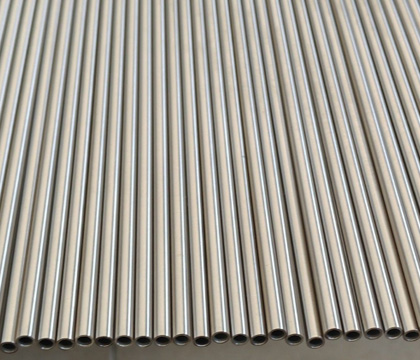
Round Stainless Steel Tubes

Stainless Steel Square Tubing

Corrugated Stainless Steel Tubes
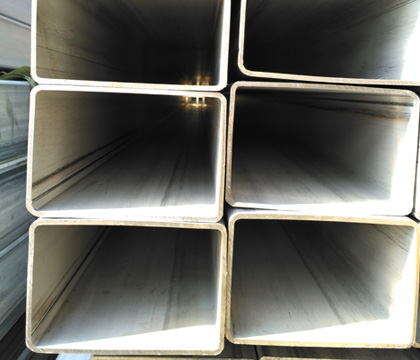
Rectangular Stainless Steel Tubes

Stainless Steel Boiler Tubes

Stainless Steel Heat Exchanger Tubes

Stainless Steel Condenser Tubes
Materials of SS Tubes
Following are the 3 materials we use at XTD to manufacture high-quality SS tubes.
01
Austenitic Stainless Steel
This is the most popular category. It has high levels of chromium and nickel. It is known for being non-magnetic and highly resistant to corrosion. This tube is easy to weld and form, making it ideal for food processing and chemical storage.
02
Ferritic Stainless Steel
This steel has a high chromium content, but very little nickel. This makes it magnetic. It offers good resistance to stress corrosion cracking and is often used in automotive exhaust systems. This material is cost-effective for decorative and indoor applications.
03
Martensitic Stainless Steel
This type is characterised by higher carbon content. This allows it to be hardened through heat treatment. It provides excellent strength and moderate corrosion resistance. It is used for specialized mechanical parts and cutting tools that require high wear resistance.
Major Industries and Applications of SS tubes
SS tubes are commonly used in 10 demanding industries. Specific applications of these tubes are explained below:

Oil & Gas
Stainless steel tube is used in control lines, instrumentation tubing, and hydraulic lines in downhole applications and subsea pipelines to transport crude oil safely. It resists the corrosive effects of saltwater and high-pressure underground environments.

Chemical Processing
Facilities use this tube to move acids and volatile chemicals through various stages of production. The material ensures that the containers do not react with the chemicals or leak.

Power Generation
In power plants, an SS tube functions as a heat exchanger component and a steam line. It can withstand the intense heat and pressure required to generate electricity continuously.

Medical and Pharmaceutical
Small-diameter tubing is used for surgical instruments and fluid delivery systems. The material is easy to sterilise. This ensures patient safety and prevents contamination in medicines.

Food and Beverage Processing
Milk, juices, and processed foods flow through this tube to remain fresh and safe for consumption. The smooth surface ensures that food particles do not get stuck and decompose.

Aerospace and Defence
Aircraft use SS tubes for hydraulic fuel lines and structural frames due to its strength, corrosion resistance, and reliability under extreme conditions. They must remain reliable during extreme altitude and temperature changes.

Industrial and Process Applications
This tube is used for various machinery parts and assembly line frameworks. It provides the structural support needed for heavy-duty manufacturing equipment.

Heat Transfer Systems
A SS tube is essential in boilers and cooling systems to move heat from one fluid to another. The thermal stability and resistance to scaling help maintain system efficiency.

Automotive Industry
In the automotive industry stainless tubing is used for exhaust manifolds and fuel injection systems. The material handles high engine heat and prevents the exhaust system from rusting out.

Emerging Technologies
New energy sectors like hydrogen fuel cells and solar thermal plants rely on this tube for gas transport. It provides the high-purity environment necessary for sensitive green energy equipment.
100% Certified Testing & Documentation
- Raw Materials Certificate
- 100% Positive Material Identification (PMI)
- Heat Treatment Charts
- Third-Party Inspection Report
- Surface roughness and size measurement
- Manufacturer Test Certificate (Impact Testing, Flattening, Flare, Bend, Hardness, Intergranular Corrosion, Pitting Corrosion, Grain size, Eddy Current (ET), Ultrasonic Testing (UT), Hydrostatic Testing (HT), etc.)
- Laboratory Test Certificate from the Government-Approved Lab
If you want to know more product details, please contact us!
Frequently Asked Questions
-
How is the SS tube manufactured?
-
What are the key differences between welded and seamless stainless steel tubing?The main difference between welded and seamless stainless steel tubing is that the welded tube is made by welding together a strip or sheet. This makes it economical, but the seam could be a weak point. The seamless tube is made from solid billet extrusion. This eliminates any weak points and prevents intergranular corrosion at the joints.
-
What is the difference between 304 and 316 stainless steel tubing?The difference between 304 and 316 stainless steel tubing is that 304 tubing has approximately 18% chromium and 8% nickel for general use. The addition of 2-3% molybdenum in 316 SS tubing provides better corrosion resistance in harsh environments like marine or chemical settings.
-
How to choose the right stainless steel tubing?To choose the right stainless steel tubing ensure the grade is correct for the environment (e.g., 316 for areas that are prone to corrosion), the size is suitable for the pressure and flow needs and the type is right (e.g., seamless for high pressure). Be mindful of your budget and standards like ASTM.
-
What are the main benefits of stainless steel tubing?The main benefits of stainless steel tubing are corrosion resistance, high temperature resistance, strength-to-weight efficiency, and low maintenance for durable use in industries like food, pharma, and construction.
-
How to bend a stainless steel tube?To bend a stainless steel tube, use a tube bender with a mandrel for tight radii to avoid kinks. Bend gradually with even pressure and secure the tube firmly.
-
How to drill a stainless steel tube?To drill a SS tube, use carbide or cobalt bits at low speed with cutting oil. Apply steady pressure and peck drill to clear chips and prevent work-hardening.
-
How to expand a stainless steel tube?To expand a stainless tube, insert an expander tool or mandrel and rotate while applying hydraulic pressure. Heat mildly if needed for thicker walls.
-
How to polish a stainless steel tube?To polish a stainless steel tube, start with grinding coarse imperfections, then use progressively finer abrasives like 400-2000 grit. Finishing with buffing compound on a wheel.
- What is a Stainless Steel Tube?
- History of Stainless Steel Tube
- Difference between a Stainless Steel Tube and a Pipe
- What are the Benefits of Stainless Steel Tubing?
- SS Tubes Specification
- Types of Stainless Steel Tubes by Manufacturing Process, Shape & Application
- Materials of SS Tubes
- Major Industries and applications of SS tubes
- 100% Certified Testing & Documentation
- Frequently Asked Questions