The Alloy C2000 follows the ASTM B622 standard.

ASTM B622 Alloy C2000 Seamless Pipe Manufacturer in China
We, Xintongda Special Steel, are a multiple internationally certified manufacturer and global supplier of Alloy C2000 Seamless pipe. This pipe is a nickel-chromium-molybdenum (Ni-Cr-Mo) alloy made without a welded seam. It consists of nickel (balance), chromium (22.0–24.0%), molybdenum (15.0–17.0%) and copper (1.3-1.9%). It is well-known among C-series alloys for its ability to resist both oxidising and reducing environments including hot contaminated mineral acids like sulfuric and hydrochloric acids. We manufacture this pipe in compliance with the ASTM B622 standard. The copper addition enhances resistance to sulfuric acid and other reducing agents. The high-chromium content makes it very resistant to oxidising agents like ferric salts and dissolved oxygen. As it can handle strong acids, the pipe is suitable for chemical processing, petrochemical plants, power generation, pharmaceuticals, and the oil and gas industries. We can supply this pipe in about a week for stock orders. We also provide custom Alloy C2000 pipes as per customer needs.
Our UNS N06200 / 2.4675 pipes meet the following specifications:
 Standard ASTM B622
 OD Range 6-457 mm
 Thickness 1-65 mm
-
 Length ≤ 18 m
 Get a free quote now
Technical Data
Technical Data
Get a free quote now
Technical Data
Technical Data

Alloy C2000 Seamless Pipe Manufacturing Process
The manufacturing process of Alloy C2000 pipe begins with a solid billet that is heated and hot extruded to form a hollow shell. Then, it is hot extruded or hot rolled over a mandrel to make a rough pipe. The last step involves cold working (stretching and shaping the pipe without heat). This is followed by a heat treatment. This ensures the pipe has the precise size and excellent corrosion resistance and strength. To learn about the detailed manufacturing process of our seamless pipes, visit this page.
Key Features of Seamless Alloy C2000 Pipe
The 4 features that make Alloy C2000 pipes preferred over other C-series alloys are exceptional resistance to strong acids, high chromium content, broad-spectrum corrosion resistance and localised corrosion resistance.
- Exceptional Resistance to Strong Acids: The addition of copper to this pipe makes it much more resistant to reducing acids. This makes it ideal for piping systems in the chemical processing industry that deal with strong, hot acids like hydrochloric and sulfuric acid.
- High Chromium Content: The high chromium content allows the pipe to resist strong oxidising chemicals like ferric ions and dissolved oxygen. This makes it suitable for heat exchangers and reactors exposed to oxidising agents.
- Broad-Spectrum Corrosion Resistance: The pipe resists both oxidising environments (due to chromium) and reducing environments (due to molybdenum and copper). This versatility is crucial in pharmaceutical and chemical plants where process streams often switch between different acidic and corrosive conditions.
- Localised Corrosion Resistance: Alloy C2000 pipe resists specific types of corrosion like pitting, crevice corrosion, and stress corrosion cracking. This enhanced performance is important in marine and oil and gas settings, where chlorides can attack the pipe in small and weak spots.
Alloy C2000 Alloy Corrosion Data
Alloy C2000 alloy is exceptionally resistant to corrosion in a wide range of strong acids and chloride-containing environments across broad temperature ranges.
| Chemical | Conc. wt.% |
Temperature | C-2000 | ||
| °C | °F | mm/y | mpy | ||
| Hydrochloric Acid | 5 | Boiling | 0.01 | 0.2 | |
| 10 | 79 | 175 | <0.01 | <0.1 | |
| 20 | 38 | 100 | 0.16 | 6.3 | |
| Hydrobromic Acid | 2.5 | Boiling | 0.01 | 0.2 | |
| 5 | 93 | 200 | 0.01 | 0.2 | |
| 7.5 | 93 | 200 | <0.01 | 0.1 | |
| 10 | 79 | 175 | <0.01 | <0.1 | |
| Hydrofluoric Acid | 7 | 79 | 175 | 0.18 | 7.0 |
| 5 | 52 | 125 | 0.09 | 3.7 | |
| 10 | 52 | 125 | 0.22 | 8.7 | |
| 20 | 52 | 125 | 0.48 | 18.8 | |
| Sulfuric Acid | 10 | 93 | 200 | 0.02 | 0.8 |
| 20 | 93 | 200 | 0.03 | 1.0 | |
| 30 | 93 | 200 | 0.04 | 1.5 | |
| 40 | 79 | 175 | 0.01 | 0.5 | |
| 50 | 79 | 175 | 0.02 | 0.7 | |
| 60 | 79 | 175 | 0.02 | 0.9 | |
| 70 | 66 | 150 | 0.01 | 0.2 | |
| 80 | 66 | 150 | 0.06 | 2.2 | |
| 90 | 79 | 175 | 0.07 | 2.9 | |
| Nitric Acid | 20 | Boiling | 0.02 | 0.7 | |
| 40 | Boiling | 0.24 | 9.5 | ||
| 60 | 93 | 200 | 0.19 | 7.4 | |
| 70 | 93 | 200 | 0.29 | 11.4 | |
| Phosphoric Acid | 50 | Boiling | 0.03 | 1.1 | |
| 60 | Boiling | 0.08 | 3.2 | ||
| 70 | Boiling | 0.15 | 6.0 | ||
| 80 | Boiling | 0.40 | 15.6 | ||
| Chromic Acid | 10 | 66 | 150 | 0.10 | 3.9 |
| 20 | 66 | 150 | 0.61 | 24.1 | |
| Acetic Acid | 99 | Boiling | <0.01 | <0.1 | |
| Formic Acid | 88 | Boiling | 0.01 | 0.4 | |
| ASTM G 28A** | Boiling | 0.67 | 26.3 | ||
| ASTM G 28B** | Boiling | 0.11 | 4.2 | ||
C2000 Seamless Nickel Alloy Pipe Equivalent Material
The equivalent designation of C2000 seamless nickel alloy pipe is UNS N06200. Some of its popular global equivalents include Werkstoff Nr./ DIN 2.4675.
| GRADE | UNS | GB | JIS | ISO | DIN/EN | GOST | |
| ISC | NEW | ||||||
| Alloy C2000 | N06200 | — | — | — | — | 2.4675 | — |
C-2000 vs Other Alloys
Alloy C-2000 is often the preferred choice because of its unique combination of chromium, molybdenum and copper additions. These provide balanced resistance in the most complex, mixed-acid, and highly corrosive chemical process environments, unlike other C-series alloys.
| Alloy | Advantages | Limitations | Key Applications |
| Alloy C-2000 | Superior sulfuric acid resistance; dual resistance to oxidizing and reducing agents | Higher cost | Chemical processing, pollution control |
| Alloy C-22 | Exceptional resistance to oxidizing chemicals | Less effective in reducing acids | Waste treatment, pharmaceuticals |
| Alloy C-276 | Best for reducing environments | Lower sulfuric acid resistance | Marine, petrochemical |
| Alloy C-4 | High-temperature stability | Limited oxidizing resistance | Power generation, pollution control |
100% Certified Testing & Documentation
- EN 10204 3.1 and EN 10204 3.2 Material Test Certificates (MTC)
- Raw Materials Certificate
- 100% PMI
- Heat Treatment Charts
- Third-Party Inspection Report
- Surface roughness and size measurement
- Manufacturer Test Certificate (Impact Testing, Flattening, Flare, Bend, Hardness, Intergranular, Pitting Corrosion, Grain size, ET, UT, HT)
- Laboratory Test Certificate from the Government-Approved Lab
ASTM B622 UNS N06200 Seamless Pipe Industrial Applications
ASTM B622 UNS N06200 pipes have 6 major industrial applications:
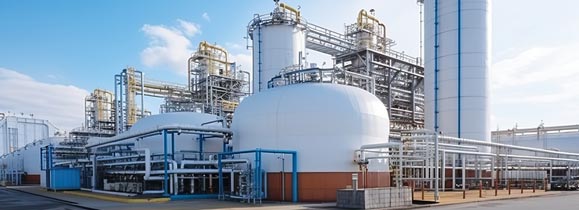
Chemical Processing
This pipe is important in reactors and heat exchangers where strong acids like sulfuric, nitric and hydrochloric acid are handled. Its strong corrosion resistance ensures long service life in aggressive chemical synthesis and production environments.
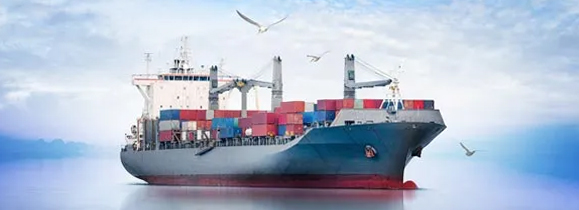
Marine Engineering
The piping is used in critical systems on ships and offshore platforms that require high resistance to seawater and chlorides. This includes desalination units and ballast water treatment systems where corrosion is a constant threat.
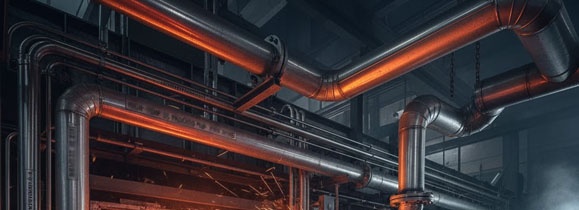
Furnaces and Gas Turbines
UNS N06200 pipe maintains its structural strength even under extreme heat. It is used in burner components and ducting systems that must withstand high-temperature oxidation.
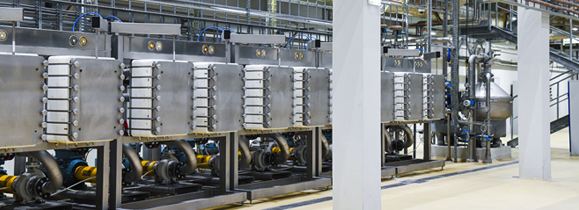
Desalination Plants
The pipe is used in the most corrosive sections, like the brine heaters and piping. This includes piping leading to evaporators in multi-stage flash desalination systems. Its ability to handle hot and concentrated salt solutions prevents expensive failures.
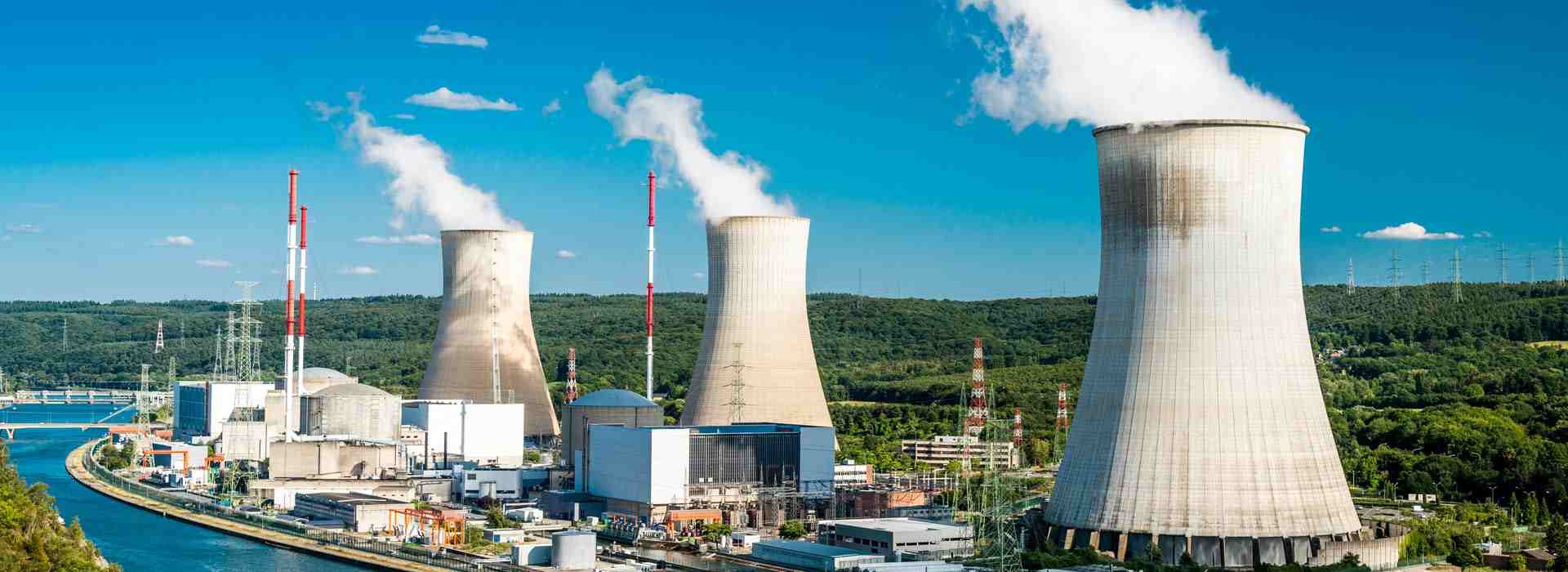
Nuclear Power Plants
It is used to deal with highly pure water and radioactive waste streams, especially in pipes and parts that are in corrosive environments. Its reliability is important for the safety and durability of these sensitive systems.
Pollution Control
It is used in flue gas desulfurization (FGD) systems especially in scrubbers and ducting. In these applications, acidic, hot, and wet gases are present. The pipes can handle the corrosive condensate created by sulfur dioxide. This keeps the system from breaking down.
Frequently Asked Questions
-
Which standards does Alloy C-2000 seamless pipe follow?
-
What sizes are available in Alloy C-2000 seamless pipe?At XTD, we offer the Alloy C2000 seamless pipe with outer diameter ranging from 6-457 mm, thickness ranging from 1-65 mm, and length up to 18 m.
-
Can Alloy C-2000 pipes be used in cryogenic applications?Yes, Alloy C-2000 pipes can be used in cryogenic applications. The nickel-chromium-molybdenum-copper alloy retains ductility and impact toughness at low temperatures. This prevents brittle fracture under cryogenic service conditions.
- Alloy C2000 Seamless Pipe Manufacturing Process
- Key Features of Seamless Alloy C2000 Pipe
- Alloy C2000 Alloy Corrosion Data
- C2000 Seamless Nickel Alloy Pipe Equivalent Material
- C-2000 vs Other Alloys
- 100% Certified Testing & Documentation
- ASTM B622 UNS N06200 Seamless Pipe Industrial Applications
- Frequently Asked Questions