You should choose inconel pipe over stainless steel when high-temperature and mechanical stress stability, and high corrosion resistance for aggressive chemicals are essential. This is because stainless steel pipes may fail in such conditions.

Inconel Pipe Manufacturer
We are Zhejiang Xintongda Special Steel (XTD), a China-based manufacturer of Inconel seamless pipe. Inconel is a family of nickel-chromium superalloys developed for the most demanding high-temperature, high-pressure, and corrosive service. The alloy family combines high nickel content with chromium, iron, molybdenum, niobium, aluminum, or titanium in different grades to tune the pipe for oxidation resistance, chloride pitting resistance, or elevated-temperature strength. We manufacture Inconel seamless pipe to ASTM B167 (equivalent ASME SB-167) for Inconel 600 and 601, ASTM B444 (SB-444) for Inconel 625, ASTM B167 for Inconel 617, and ASTM B983 for age-hardened Inconel 718. These are the industries commonly using Inconel pipe: aerospace, sour oil and gas, chemical processing, high-temperature power generation, and marine offshore. We have been supplying Inconel pipe for over four decades. We hold multiple international certifications listed on our Certificate page and run an annual supply capacity of 25,000 tons. Stock orders ship within one week, and custom production runs are typically completed in 15 to 60 days.
-
 OD Range
6-457 mm
OD Range
6-457 mm
-
 Thickness
1-65 mm
Thickness
1-65 mm
-
 Length
≤ 18 m
Length
≤ 18 m
 Get a free quote now
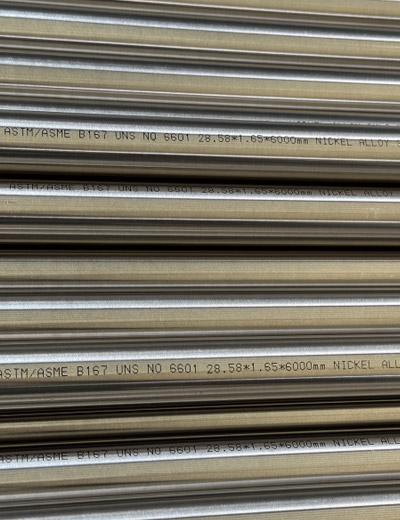
What is Inconel Pipe?
An Inconel pipe is a nickel-based superalloy conduit primarily alloyed with chromium and, depending on grade, elements such as iron, molybdenum, niobium, aluminium, and titanium. The high amount of nickel, combined with solid solution strengthening, increases its tensile strength at elevated temperatures. It can also resist aggressive chemicals, oxidation, saltwater, pitting, crevice corrosion, and stress corrosion cracking. Here at XTD, we provide many grades of inconel seamless pipes, like inconel 600, 601, 718, 625, etc.
What are the Key Features of Inconel Piping?
Inconel pipe has 5 main features: corrosion resistance, high-temperature strength, oxidation resistance, fabricability, and high mechanical strength.
- Corrosion Resistance: The molybdenum content in grades like alloy 625 improves resistance to pitting and crevice corrosion in chloride environments. The nickel and chromium resists corrosion in oxidising, reducing, and saline environments.
- High-Temperature Strength: Inconel alloys achieve high-temperature strength through solid solution strengthening and, in precipitation-hardened grades such as 718, through age-hardening mechanisms.
- Oxidation Resistance: When inconel is exposed to oxygen at high temperatures, the chromium in it forms a passive chromium oxide layer (Cr₂O₃). This makes the pipe very resistant to oxidation.
- Fabricability: The austenitic structure provides good ductility and toughness, allowing forming and welding using qualified procedures.
- High Mechanical Strength: High nickel content combined with solid solution strengthening and, in certain grades, precipitation hardening provides excellent yield and tensile strength.
Inconel Pipe Specification
We provide our inconel seamless pipes in a wide range of dimensions, and our pipes fully comply with international ASTM standards.

Standard
ASTM B167, ASTM B444
Outside Diameters
6 - 457 mm
Length
≤ 18 m
Thickness Range
1 - 65 mm

Grades
Inconel 600, 601, 617, 625, 718

Form
Round (per ASTM B167 and B444)

End
Plain End, Beveled End, Threaded

Testing
PMI, Radiography, Mechanical, Chemical
Inconel Pipe Types and Available Forms
We produce only seamless round Inconel pipe, available in the two forms listed below.

Inconel Seamless Pipe

Inconel Round Pipe
Range of Inconel Grades for Pipes
We offer various grades of inconel seamless pipes, like 600, 601, 625, and 718. What makes the grades different from each other is their chemical composition, characteristics, standards, and applications.
01
Inconel 600
Inconel 600 pipe, commonly known as Alloy 600, Nickel 600, Nickelvac 600, and Ferrochronin 600, is a nickel-chromium-based high-performance alloy that can withstand elevated temperatures and harsh chemical environments. Its standard equivalent designation is UNS N06600, and is also known by its Werkstoff number as DIN 2.4816.
02
Inconel 601
Generally known as Alloy 601, Nicrofer 601, Pyromet 601, the inconel 601 pipe is a tubular product made of nickel-chromium alloy. It provides exceptional strength, good resistance to oxidation, carburisation, and corrosion, and stability at elevated temperatures. Alloy 601 is globally recognised as UNS N06601 (standard designation), and by its Werkstoff number as 2.4851.
03
Inconel 617
Inconel 617 (UNS N06617, Werkstoff 2.4663a), also known as Alloy 617, is a nickel-chromium-cobalt-molybdenum alloy engineered for very high-temperature service (up to about 1100 °C / 2000 °F). The cobalt (about 12.5%) and molybdenum (about 9%) additions give it exceptional creep-rupture strength and stability in oxidizing and carburizing atmospheres. It is the standard choice for gas turbine components, high-temperature furnace piping, and superheater piping in ultra-supercritical power plants.
04
Inconel 625
Inconel 625 pipe is also called Alloy 625, Nicrofer 6020, Nickelvac 625, or Chronin 625. It is a nickel-chromium-molybdenum alloy pipe known for its stability at cryogenic to moderately high temperatures and resistance to pitting, corrosion, and oxidation. The Nicrofer 6020 pipe’s standard equivalent designation is UNS N06625, and is also recognised by its Werkstoff number as DIN 2.4856.
05
Inconel 718
The inconel 718 pipe, also known as Alloy 718, is a high-performance pipe made from a nickel-chromium alloy. Its ability to provide exceptional strength, high durability, and good resistance to heat and corrosion makes it suitable for many demanding applications. Alloy 718 pipe is globally recognised by its standard designation as UNS N07718. It is also known by its Werkstoff number as 2.4668.
Industrial Applications of Inconel Alloy Pipe
The inconel seamless pipe finds its application in industries that face harsh chemicals, oxidation, elevated temperatures, and localised corrosion.

Aerospace
In the aerospace industry, it is used in exhaust system piping, jet and gas turbine engine fuel lines, rocket engine propellant feed lines, and hydraulic and pneumatic high-pressure tubing.
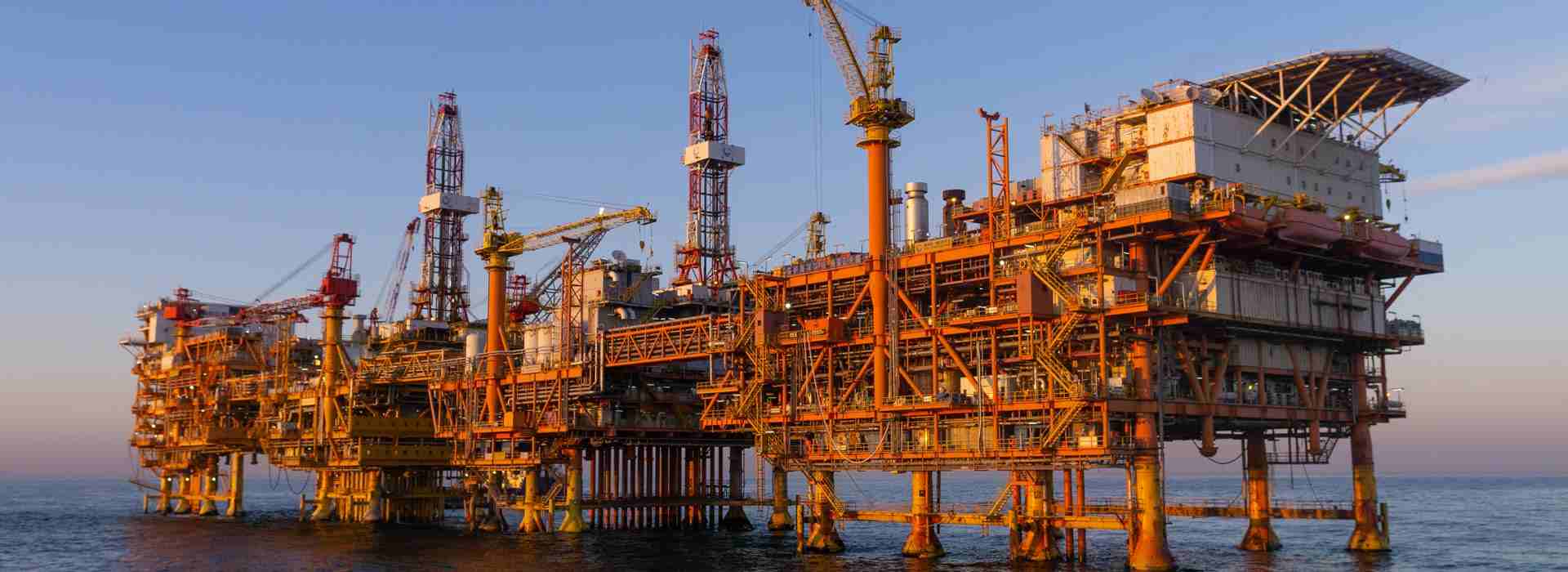
Oil and Gas
Inconel pipe is generally used in downhole production tubing in sour gas wells, offshore platform process piping, and refinery process piping.
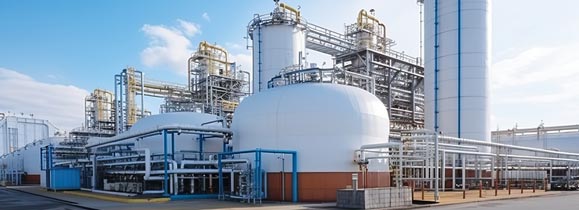
Chemical Processing
Used in chlorination and caustic circulation lines, heat exchanger tubing, corrosive acid handling lines, and reactor feed and discharge piping.
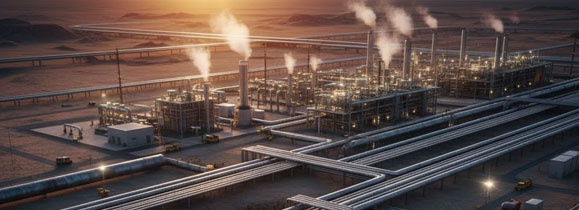
Power Generation
It is found in Flue Gas Desulfurisation (FGD) systems, boiler feedwater lines, superheater and reheater steam lines, and Heat Recovery Steam Generator (HRSG) piping.
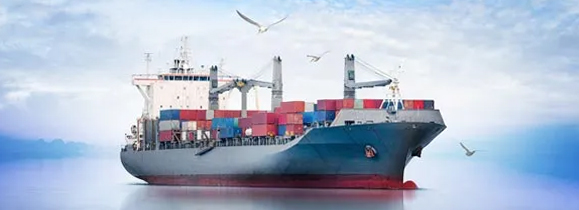
Marine & Offshore Engineering
Inconel alloy seamless pipe is used in desalination plants, marine propulsion system coolant and exhaust lines, subsea fluid transport pipelines, and seawater cooling system piping.
100% Certified Testing & Documentation
- EN 10204 3.1 and EN 10204 3.2 Material Test Certificates (MTC)
- Raw Materials Certificate
- 100% Positive Material Identification (PMI)
- Heat Treatment Charts
- Third-Party Inspection Report
- Surface roughness and size measurement
- Manufacturer Test Certificate (Impact Testing, Flattening, Flare, Bend, Hardness, Intergranular Corrosion, Pitting Corrosion, Grain size, Eddy Current (ET), Ultrasonic Testing (UT), Hydrostatic Testing (HT), etc.)
- Laboratory Test Certificate from Govt. Approved Lab
If you want to know more product details, please contact us!
Frequently Asked Questions
-
When should I choose Inconel pipe instead of stainless steel?
-
Can I use Inconel pipe for a car exhaust?Inconel is used in high-end racing and aerospace exhaust systems, where cost is not the main constraint and the exhaust operates at sustained high temperature. For a standard passenger car, ferritic stainless (409 or 439) or austenitic 304 is normally sufficient and much less costly. The Inconel choice is grade-dependent: Inconel 625 handles chloride-rich urban environments best, while Inconel 601 handles the highest sustained exhaust gas temperatures.
-
Does Inconel pipe rust?No, the inconel pipe doesn’t rust easily, as it is a nickel-chromium-based superalloy with good resistance to corrosion, oxidation, and localised corrosion.