The main difference between incoloy and inconel pipes is that inconel pipes have a high amount of nickel, and incoloy has a high amount of iron. Due to this, both pipes have different characteristics and applications.

Incoloy Pipe Manufacturer
We, Xintongda Special Steel (XTD), are a trusted name in China for manufacturing and supplying high-quality Incoloy seamless pipes. An incoloy pipe is a high-alloy pipe that generally consists of iron, nickel, chromium, and other elements. The incoloy pipes generally have more amount of iron than the inconel pipes. Our incoloy pipes are manufactured according to ASTM B407 and B423 standards. The incoloy pipe has a stabilised austenitic microstructure (due to nickel) and is highly resistant to corrosion, oxidation, pitting, and crevice corrosion. It also has increased solid solution strengthening. These characteristics make the incoloy alloy pipe useful in aerospace, automotive, chemical processing, marine, and other industrial applications exposed to harsh chemicals and rigorous environments. Here at XTD, we provide a wide range of incoloy pipe grades, like incoloy 800, incoloy 825, incoloy 925, etc. We have been serving seamless pipes for the last 4 decades, and hold many Multiple international certifications. Our annual supply capacity is 25,000 tons, and we can deliver in-stock products within a week and production orders in 15-60 days.
-
 OD Range
6-457 mm
OD Range
6-457 mm
-
 Thickness
1-65 mm
Thickness
1-65 mm
-
 Length
≤ 18 m
Length
≤ 18 m
 Get a free quote now

What is Incoloy Pipe?
Incoloy pipe is a series of superalloys made typically of nickel (30-45%), chromium (0-28.5%), iron (22-59%), molybdenum/ copper/ titanium, and slight traces of other elements. There are generally three basic types of incoloy pipes based on the chemical composition ratio: nickel-iron-chromium, iron-nickel-chromium, and iron-chromium-nickel. The lower nickel content and the higher iron content make the incoloy pipe less costly and equally resistant to corrosion compared to the inconel pipes.
What are the key Features and Benefits of Incoloy Piping?
There are 6 main characteristics of the Incoloy alloy pipe, like nickel-iron-chromium alloy stability, good corrosion resistance, excellent high-temperature strength, outstanding resistance to oxidation, excellent creep & rupture strength, good fabricability, and durability & longevity.
- Nickel-Iron-Chromium Alloy Stability: The nickel content of the alloy stabilises the austenitic microstructure, the chromium forms a passive oxide layer, and the iron helps improve mechanical properties. This makes the incoloy pipe stable and perform better.
- Good Corrosion Resistance: The incoloy seamless pipe resists chloride stress cracking corrosion due to nickel, oxidation due to chromium, and pitting and crevice corrosion due to molybdenum and copper.
- Excellent High-Temperature Strength: The combination of nickel and chromium forms a robust solid solution, which helps the alloy to perform well even at elevated temperatures.
- Outstanding Resistance to Oxidation: Chromium, when exposed to oxygen at high temperatures, creates a passive layer of chromium oxide (Cr₂O₃). This layer acts as a shield and protects the alloy from oxidation.
- Excellent Creep & Rupture Strength: The alloy’s good creep and rupture strength comes from solid-solution strengthening (already explained above) and stable austenitic microstructure at high temperatures.
- Good Fabricability: Due to the austenitic crystal structure, the incoloy seamless pipe has good ductility and toughness. This means it can be easily bent, formed, shaped, and welded.
Incoloy Pipe Specification
The specifications of the incoloy pipe (standard, OD, wall thickness) depend on the grade, schedule, form, and end type.

Standard
ASTM B407, ASTM B423
Outside Diameters
6 - 457 mm
Length
≤ 18 m
Thickness Range
1 - 65 mm

Grades
Incoloy 800, 800H, 800HT, 825, 925

Form
Round, Square, Rectangular, Hydraulic etc

End
Plain End, Beveled End, Threaded

Testing
PMI, Radiography, Mechanical, Chemical
What are the types of Incoloy Pipe?
There are basically 4 types of incoloy pipes: seamless pipe, welded pipe, round pipe, and hollow pipe. At XTD, we specialise in manufacturing and supplying high-quality seamless incoloy pipes.

Incoloy Seamless Pipe

Incoloy Welded Pipe

Incoloy Round Pipe

Incoloy Hollow Pipe
Available Incoloy Grades for Pipes
Here at Xintongda, we have a variety of incoloy grades for seamless pipes. Each pipe is unique in its chemical composition, features, applications, and standards. Some of the incoloy grades are 800, 800H, 800HT, 825, 925, etc.
01
Incoloy 800
The incoloy 800 pipe is also known as Alloy 800, Nickel 800, Ferrochronin 800, Nickelvac 800, and Nicrofer 3220. It is a nickel-chromium alloy that provides excellent oxidation and carburisation resistance at elevated temperatures. Its standard equivalent designation is UNS N08800, and the Werkstoff number is DIN 1.4876.
02
Incoloy 800H
Incoloy 800H, commonly known as Alloy 800H, Nicrofer 601, or Pyromet 601, is a nickel-iron-chromium alloy. Although similar to the 800, the alloy 800H has higher creep strength. It is recognised by its standard equivalent designation as UNS N08810, and its Werkstoff number as DIN 1.4958.
03
Incoloy 800HT
Generally known as Nickelvac 800HT, Ferrochronin 800HT, and Nicrofer 3220, the incoloy 800HT is a high-performance nickel-iron-chromium alloy with additions of aluminium/titanium. These newly added elements give the alloy high creep-rupture strength. The standard equivalent designation of Nicrofer 3220 is UNS N08811, and its Werkstoff number is 1.4959.
04
Incoloy 825
Incoloy 825, commonly referred to as Alloy 825, Nickelvac® 825, Nicrofer® 4241, Superimphy 82, or Ferrochronin 825, is a nickel-iron-chromium alloy with added molybdenum and copper. This alloy is highly resistant to sulfuric and phosphoric acid, along with pitting, crevice corrosion, and stress corrosion cracking resistance. Its standard equivalent designation is UNS N08825, and the Werkstoff number is 2.4858.
05
Incoloy 925
Also known as alloy 925, incoloy 925 is a precipitation-hardenable nickel-iron-chromium alloy with molybdenum and copper as added elements. It has great strength, good resistance to pitting and crevice corrosion, and excellent resistance to stress corrosion cracking in aqueous environments. It is globally recognised by its UNS number as N09925.
Applications of Incoloy Alloy Pipe
Incoloy seamless pipe is useful in many industrial applications exposed to harmful acids like sulfuric and phosphoric, high temperatures, and aqueous environments.
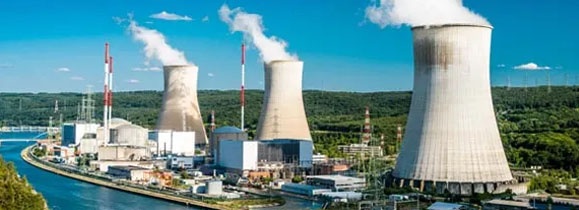
Power Generation
In the power generation industry, it is used in boiler tubing, steam generator & steam lines, Heat Recovery Steam Generator (HRSG) piping, and feedwater lines.
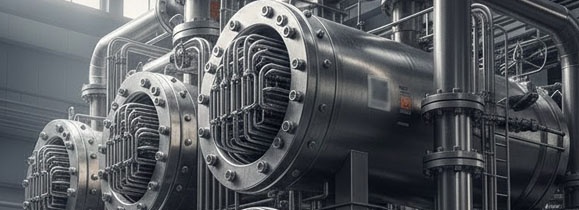
Heat Exchangers & Furnace Equipment
The Incoloy pipe is found in furnace tubing & pigtails, burner & heat-treatment furnace components, and shell & tube heat exchanger piping.
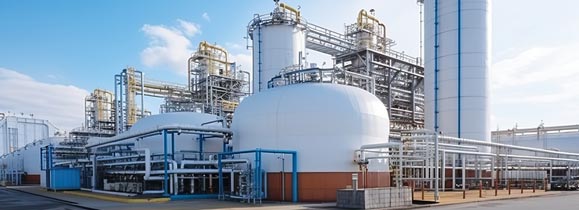
Chemical Processing
Generally used in acid-picking lines, chloride-rich media lines, corrosive process lines, and reaction vessel piping.
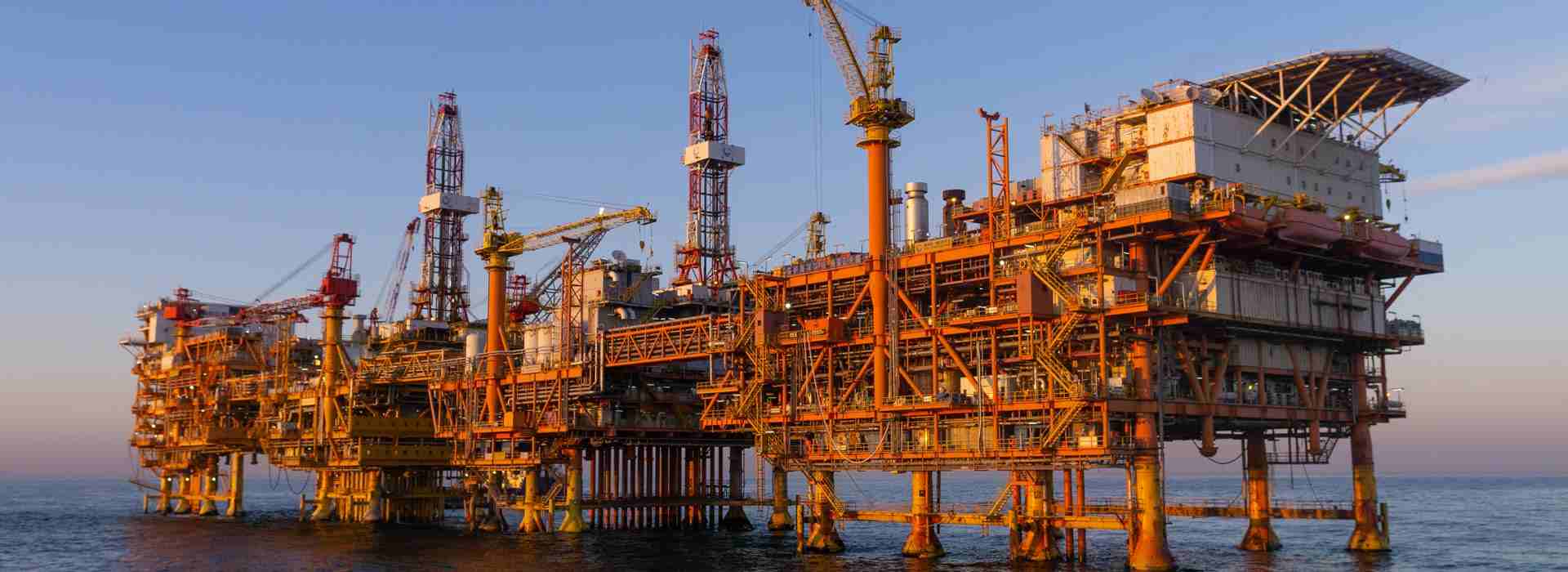
Oil and Gas
Found in downhole & well tubing, refinery process lines, pipeline risers, and sour service lines.
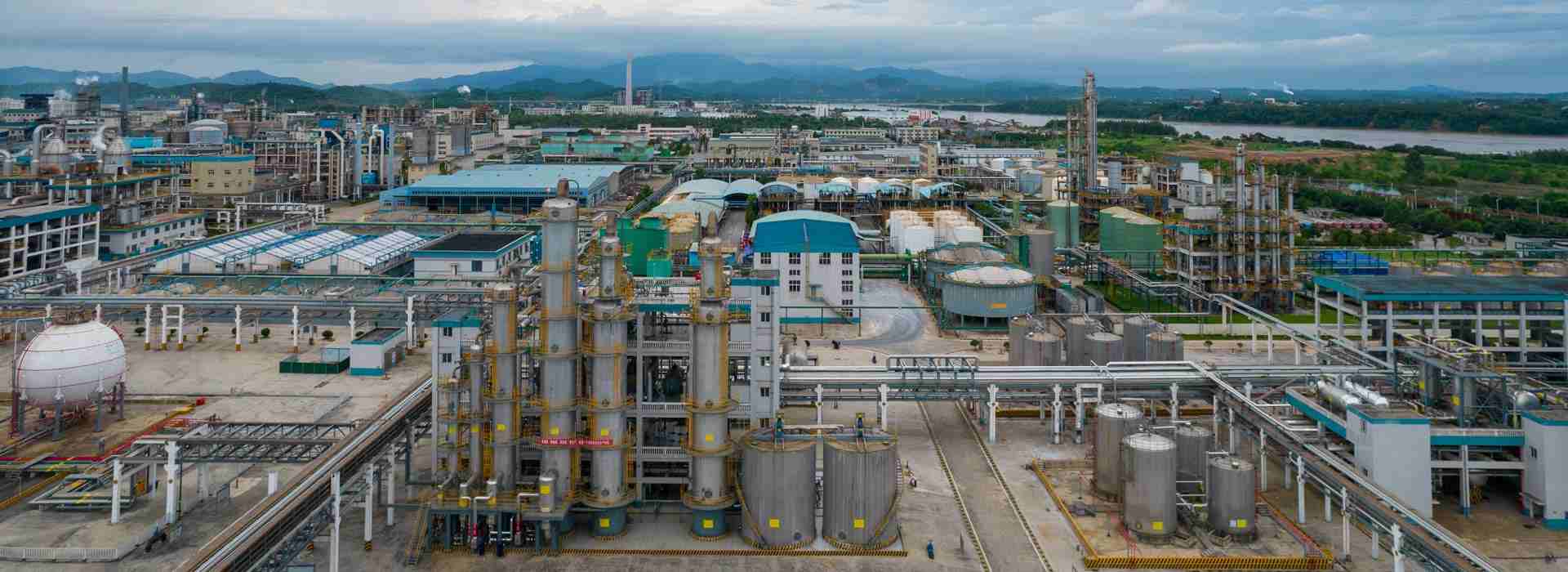
Petrochemical Industry
Incoloy alloy pipe is used in catalyst regeneration systems, feedstock & product lines, superheater steam piping, etc.
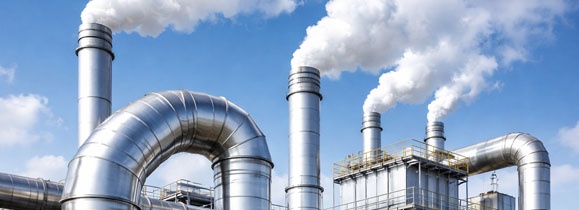
Pollution Control
This pipe finds its application in scrubber feed & effluent lines, waste treatment plant lines, acid gas removal piping, Flue Gas Desulfurisation (FGD) piping, and exhaust & vent lines.
Buy Incoloy Pipes from XINTONGDA
- EN 10204 3.1 and EN 10204 3.2 Material Test Certificates (MTC)
- Raw Materials Certificate
- 100% Positive Material Identification (PMI)
- Heat Treatment Charts
- Third-Party Inspection Report
- Surface roughness and size measurement
- Manufacturer Test Certificate (Impact Testing, Flattening, Flare, Bend, Hardness, Intergranular Corrosion, Pitting Corrosion, Grain size, Eddy Current (ET), Ultrasonic Testing (UT), Hydrostatic Testing (HT), etc.)
- Laboratory Test Certificate from Govt. Approved Lab
If you want to know more product details, please contact us!
Frequently Asked Questions
-
What is the difference between Incoloy and Inconel pipes?
-
What grades of Incoloy pipe are best for chemical processing plants?Grades such as Incoloy 825, 800, 800H, and 800HT are good for chemical processing plants, as these grades are highly resistant to aggressive chemicals.
-
What standards do Incoloy pipes comply with?Our incoloy pipes comply fully with ASTM B407 and B423 standards.
-
How to choose the best Incoloy pipe for high-temperature environments?To choose the best Incoloy pipe for high-temperature environments, you first need to define your maximum temperature range, pressure, and fluid type. After that, you need to determine which alloy pipe remains stable and performs well at elevated temperatures, like 800 or 800H/HT.