To weld a duplex steel pipe, control heat input to maintain ferrite–austenite balance, use suitable processes such as GTAW (TIG) or GMAW (MIG), apply matching filler metal (ER2209), and keep interpass temperature below 150°C to prevent phase imbalance.

Duplex Stainless Steel Pipe Manufacturer
We are Zhejiang Xintongda Special Steel (XTD), a leading China-based manufacturer and global supplier of duplex stainless steel pipe. Duplex stainless steel pipe, also called austenitic-ferritic stainless steel pipe, is a tubular product made from an iron-chromium-nickel-molybdenum-nitrogen alloy. The dual-phase microstructure of roughly 50% ferrite and 50% austenite delivers roughly double the yield strength of standard austenitic grades, together with high resistance to pitting, crevice corrosion, and chloride stress corrosion cracking. We manufacture seamless duplex pipe to ASTM A790 (equivalent ASME SA-790) and other international standards, in the grades UNS S31803, UNS S32205, and Hyper Duplex UNS S32707. Typical service includes oil and gas, offshore, chemical and petrochemical, marine, and seawater desalination, wherever chloride pitting or SCC would attack standard austenitic pipe. We hold multiple international certifications, listed on our Certificate page, and we bring over four decades of manufacturing experience.
-
 OD Range
6-720 mm
OD Range
6-720 mm
-
 Thickness Range
1-65 mm
Thickness Range
1-65 mm
-
 Length
≤ 18 m
Length
≤ 18 m
 Get a free quote now

What is Duplex Pipe?
Duplex pipe is a stainless steel tubular product alloyed with approximately 22% chromium, 5% nickel, 3% molybdenum, and nitrogen, along with other controlled elements. It has a hybrid microstructure combination of ferritic (magnetic) and austenitic (corrosion-resistant), which makes duplex stainless steel strong, tough, ductile, and more resistant to pitting corrosion, crevice corrosion, and chloride stress corrosion cracking (SCC) than conventional austenitic stainless steels such as 304 and 316.
Features and Benefits of Duplex SS Pipe
There are 4 main characteristics that make Duplex SS Pipe stand out. They are:
- High Corrosion Resistance: The higher amounts of chromium, molybdenum, and nitrogen give this DSS pipe excellent resistance to pitting, crevice corrosion, and SCC.
- High Toughness and Ductility: The duplex pipe has such good toughness and ductility that it can retain its properties from sub-zero temperatures (down to -50°C) up to approximately 280–300°C.
- Improved Strength: It has significantly higher tensile and yield strength than many other austenitic stainless steels.
- Ease of Fabrication: Duplex pipe can be made with normal shop methods, but welding must be controlled to keep ferrite and austenite balanced. Use matching filler (ER2209 for S31803 and S32205), limit heat input, and keep interpass below 150 °C so joints keep strength and corrosion resistance.
Duplex Pipe Specification
At XTD, we provide our duplex steel pipes of various diameters, thicknesses, and lengths. We also offer customised solutions to our clients. Let us have a look at some product specifications:

Standard
ASTM A790
Outside Diameters
6-720 mm
Length
≤ 18 m
Thickness Range
1-65 mm

Surface Finish
Bright Annealed (BA), Pickled and Passivated, Polished, Mirror, Brushed

Form
Round (per ASTM A790 and ASME B36.19M)

End
Plain End, Beveled End, Threaded

Testing
PMI, Radiography, Mechanical, Chemical
Types & Shapes Of Duplex Steel Pipe
We at XTD specialise in manufacturing high-quality seamless pipes, and our production capacity is 25,000 tons annually. Here are types and shapes of duplex steel pipes:

Duplex Steel Seamless Pipe

Duplex Steel Round Pipe
Duplex Stainless Steel Pipe Grades
The duplex steel grades used in pipe systems combine austenitic and ferritic structures that help increase the strength and corrosion resistance. Each grade has its own strengths and uses. The following are the three types we provide.
01
UNS S31803 Pipe
The UNS S31803 grade pipe uses a combination of a hybrid microstructure, austenitic and ferritic (approximately 40-50% ferrite in the annealed condition), to resist corrosion and increase strength. This grade has 21–23% chromium, 4.5–6.5% nickel, 2.5–3.5% molybdenum, 0.08–0.20% nitrogen, with manganese (2% max), silicon (1% max), and carbon (0.03% max). This pipe can resist pitting, crevice corrosion, seawater, and chloride stress corrosion cracking very well.
02
UNS S32205 Pipe
The UNS S32205 pipe, also known as 2205, combines high mechanical strength with excellent corrosion resistance. This grade pipe has 22–23% chromium, 4.5–6.5% nickel, 3.0–3.5% molybdenum, and 0.14–0.20% nitrogen. S32205 is a tighter composition range within S31803, with higher minimum nitrogen, chromium, and molybdenum to guarantee superior corrosion resistance, particularly in the weld heat-affected zone.
03
UNS S32707 Hyper Duplex Pipe
UNS S32707, also known as Hyper Duplex SAF 2707 HD, has about 27% chromium, 6.5% nickel, 4.8% molybdenum, and 0.40% nitrogen. The PREN of about 49 is above every standard super-duplex grade and gives near-nickel-alloy performance in warm seawater, hot chloride, and sour service. Yield strength is roughly 38% higher than S32205 (about 620 MPa vs 450 MPa minimum). Typical service is deep-water offshore risers, seawater cooling in tropical fields, and heat exchangers in aggressive brine service.
Industrial Applications of Duplex Pipe
Our DSS pipes are used in industrial applications exposed to harsh acids & chemicals, seawater, high temperatures, and many other environments.
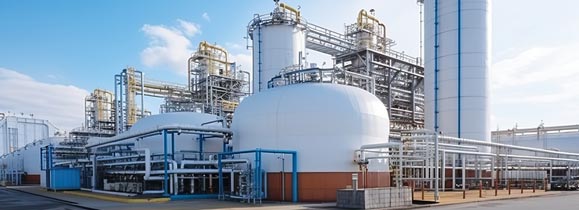
Chemical Processing
Used in reactors, heat exchangers, storage tanks, and transport pipelines for handling dilute sulfuric acid, organic acids, and mildly corrosive chloride-bearing chemical solutions.
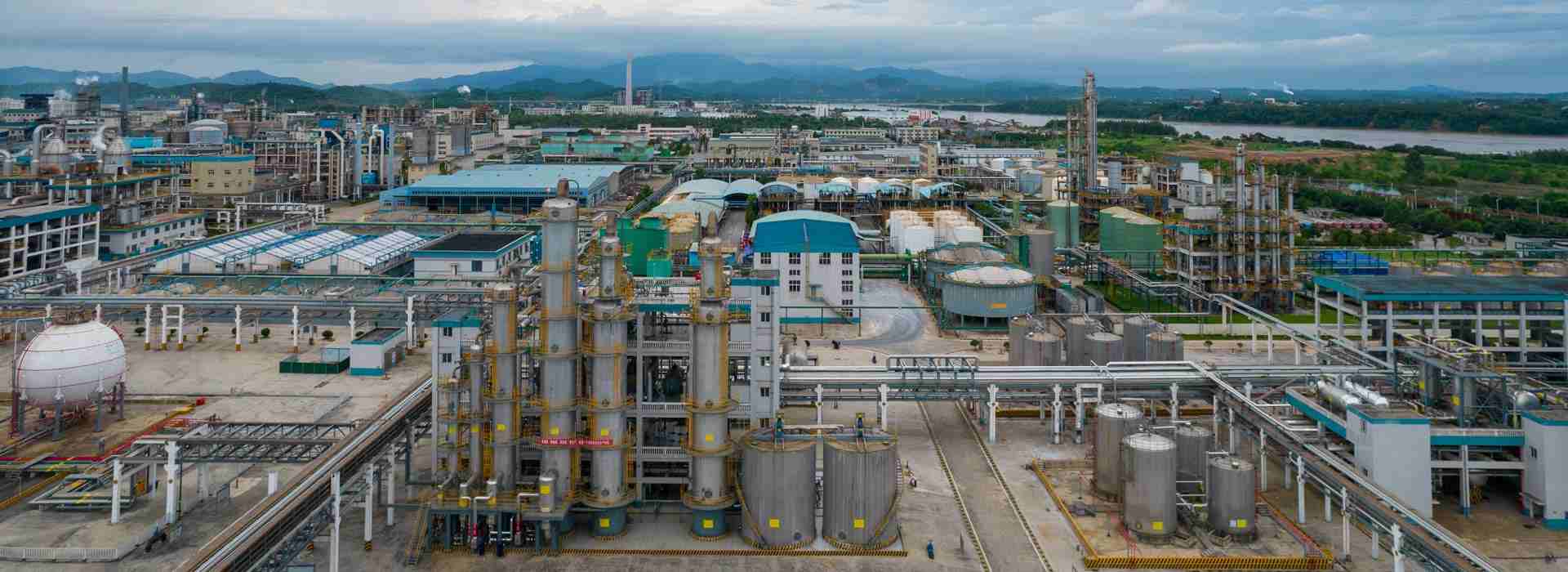
Petrochemical Equipment
Used for heat exchangers, distillation columns, process piping, and condensers handling hydrocarbons, sour gas, and acidic process streams. Duplex is chosen over 316L in petrochemical service, where chloride content, H2S, or elevated temperature would sensitize or pit an austenitic grade.
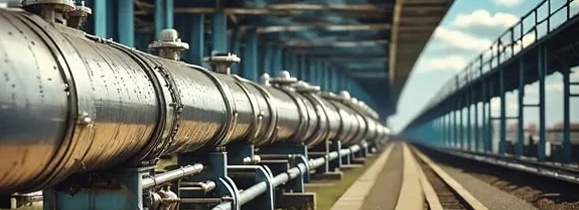
Oil and Gas
Since it can resist chloride easily, the duplex steel pipe is used extensively in offshore platforms, risers, and onshore transportation.
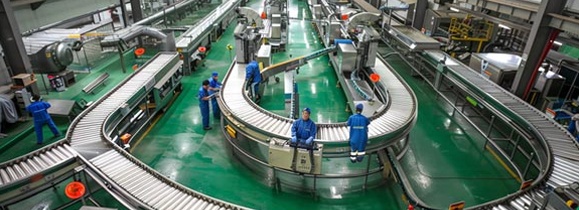
Food production
Used for hot water systems in breweries and dairies, processing lines in sugar production, transporting the products in the beverage industry, and large tanks in storage and transportation.
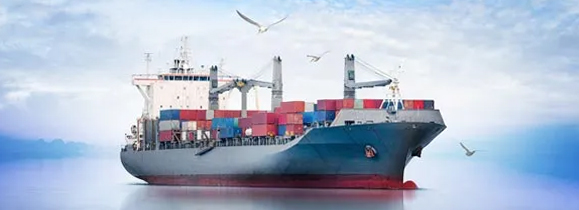
Marine applications
This alloy provides exceptional seawater corrosion resistance and, hence, is used for pipelines and risers in the offshore industry, exhaust systems and pumps in shipbuilding, and equipment handling in desalination plants.
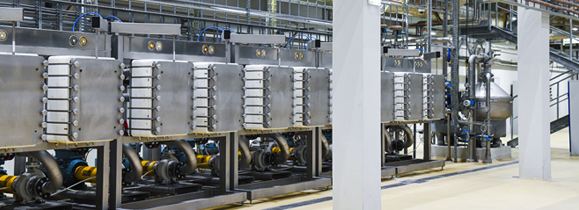
Water Treatment and Desalination
Used in seawater reverse osmosis (SWRO) systems for the membranes, intake/outlet lines for handling raw and corrosive seawater, pumps & valves for fabricating components, and energy recovery systems.
100% Certified Testing & Documentation
- EN 10204 3.1 and EN 10204 3.2 Material Test Certificates (MTC)
- Raw Materials Certificate
- 100% Positive Material Identification (PMI)
- Heat Treatment Charts
- Third-Party Inspection Report
- Surface roughness and size measurement
- Manufacturer Test Certificate (Impact Testing, Flattening, Flare, Bend, Hardness, Intergranular Corrosion, Pitting Corrosion, Grain size, Eddy Current (ET), Ultrasonic Testing (UT), Hydrostatic Testing (HT), etc.)
- Laboratory Test Certificate from Government-Approved Lab
If you want to know more product details, please contact us!
Frequently Asked Questions
-
How to Weld Duplex Pipe?
-
Why are duplex steel pipes better than standard stainless steel pipes?Duplex steel pipes are better than conventional stainless steel pipes (e.g., 304/316 austenitic grades) because of the hybrid microstructure combination of ferritic and austenitic structures. This dual-phase microstructure gives them enhanced strength and superior corrosion resistance.