Inconel 617 can be used continuously up to 1100°C (2012°F) in oxidizing atmospheres. While short excursions above this are possible, prolonged exposure may reduce long-term creep life.

ASTM B167 Inconel 617 Seamless Tube
Inconel 617 Seamless Tube is a high-performance nickel-chromium-cobalt-molybdenum superalloy product, also known as UNS N06617, W.Nr . 2.4663, and EN NiCr23Co12Mo. Inconel 617 seamless tubes are made by Zhejiang Xintongda Special Steel. We follow ASTM B167 for cold rolling, drawing, annealing, pickling, and straightening. These methods actively ensure dimensional accuracy and structural integrity for critical industrial applications.
Inconel 617 effectively withstands metallurgical degradation and corrosive assault from elevated temperatures and potent chemicals. Its chemical composition of 20–24% Cr, 10–15% Co, 8–10% Mo, and 0.8–1.5% Al provides essential high-temperature strength. This nickel alloy performs reliably from -196°C to 1100°C, offering the thermal flexibility engineers need to protect critical infrastructure against oxidation and long-term metal degradation.
With 25,000 tonnes of production, XTD supports worldwide energy and aerospace infrastructure. Since 1985, we have been committed to efficient logistics and rapid fulfilment to keep your projects on track. Our shipping schedule is industry-leading, with one week for stock products. We handle 15–60-day custom production orders. XTD leads the globe in high-temperature tube solutions for critical infrastructure due to its quality and scalability.
Below are the technical specifications for our high-quality Inconel 617 seamless tubes, manufactured to international standards.
 Standard ASTM B167
 -
 OD Range 6 – 630 mm
  Thickness 0.5 – 50 mm
 Length Up to 12 m
 Get a free quote now
Technical Data
Technical Data
Get a free quote now
Technical Data
Technical Data
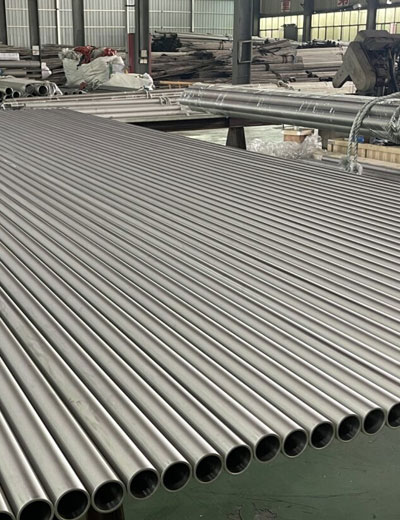
How Inconel 617 Seamless Tube is Produced
We follow strict manufacturing standards to provide the finest quality Inconel 617 seamless tube. To make the seamless shell, a high-purity nickel-chromium-cobalt-molybdenum ingot is hot extruded or punctured. To size the tube to client specifications, advanced cold drawing, cold rolling, and pilger rolling are used.
To restore the required microstructure and mechanical properties, the tubes undergo solution annealing, followed by pickling to ensure a clean, scale-free surface. Final processing includes precision straightening, electrostatic testing, and hydrostatic pressure testing to verify leak-proof performance. These methods ensure every tube leaving our plant is structurally solid and ready for high-stress service. Please visit our production page to get comprehensive information of our entire manufacturing process today.
Key Features of Inconel 617 Seamless Tube
Explore the standout properties of Inconel 617 seamless tubes by reviewing the following key pointers
- High-Temperature Oxidation Resistance : The alloy's stable, chromium-rich oxide scale prevents the spalling under strong heat cycling. The protective layer stays intact at 1100°C, making it ideal for radiant-heat applications.
- Outstanding Creep-Rupture Strength : At temperatures above 800°C, solid-solution strengthening from cobalt and molybdenum extends creep-rupture life. This actively maintains tube load-bearing capacity. Also helps to resists the mechanical stress, keeping high-temperature systems safe and efficient daily.
- Excellent Thermal Fatigue Resistance : A precise coefficient of thermal expansion combined with strong grain-boundary stability prevents the formation of cracks during repeated heating and cooling cycles. This feature is critical for equipment that undergoes frequent operational temperature shifts.
- Superior Carburisation Resistance : The high chromium and aluminium content in Inconel 617 effectively resists carbon pickup in carbon-rich process streams. This resistance prevents catastrophic embrittlement, preserving the material's ductility in catalytic reformer service.
- Good Weldability and Fabricability : Inconel 617 can be welded using normal GTAW, GMAW, and SMAW processes with matched filler metals. It can also be hot- or cold-formed into tight radii with minimal loss of mechanical characteristics.
- Long-Term Microstructural Stability : Sigma and mu phases develop over prolonged exposure above 800°C, we build the alloy to resist them. This guarantees equipment's mechanical qualities remain steady during its design life. It actively prevents high-temperature system structural degeneration.
ASTM B167 Inconel 617 Seamless Tube Equivalent Materials
| GRADE | UNS | GB | JIS | DIN/EN | W.Nr. |
| Inconel 617 | N06617 | NS3117 | NCF 617 | NiCr23Co12Mo | 2.4663 |
100% Certified Testing & Documentation
Every shipment of Inconel 617 seamless tube includes comprehensive documentation verifying its chemical and mechanical integrity. XTD holds multiple international certifications, alongside approvals from DNV, BV, ABS, and LR.
- EN 10204 3.1 and 3.2 Material Test Certificates (MTC)
- 100% PMI (Positive Material Identification)
- Third-Party Inspection Reports (TPI / TUV / SGS)
- Manufacturer Tests: Impact, Flattening, Flare, Hardness, Pitting Corrosion, Grain Size, ET, UT, and hydrostatic testing.
Inconel 617 Seamless Tube Industrial Applications
XTD supplies Inconel 617 seamless tubes to several high-stakes industries where maintaining strength under extreme heat is a necessity. Here is where these tubes are most commonly used:
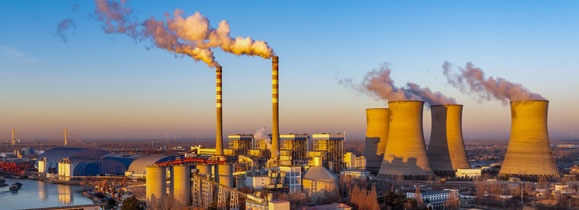
Gas Turbine Manufacturing
We use these seamless tubes for combustion liners and transition ducts in both industrial and aircraft gas turbines. They are preferred because they do not warp or oxidise even when operating at temperatures exceeding 950°C.
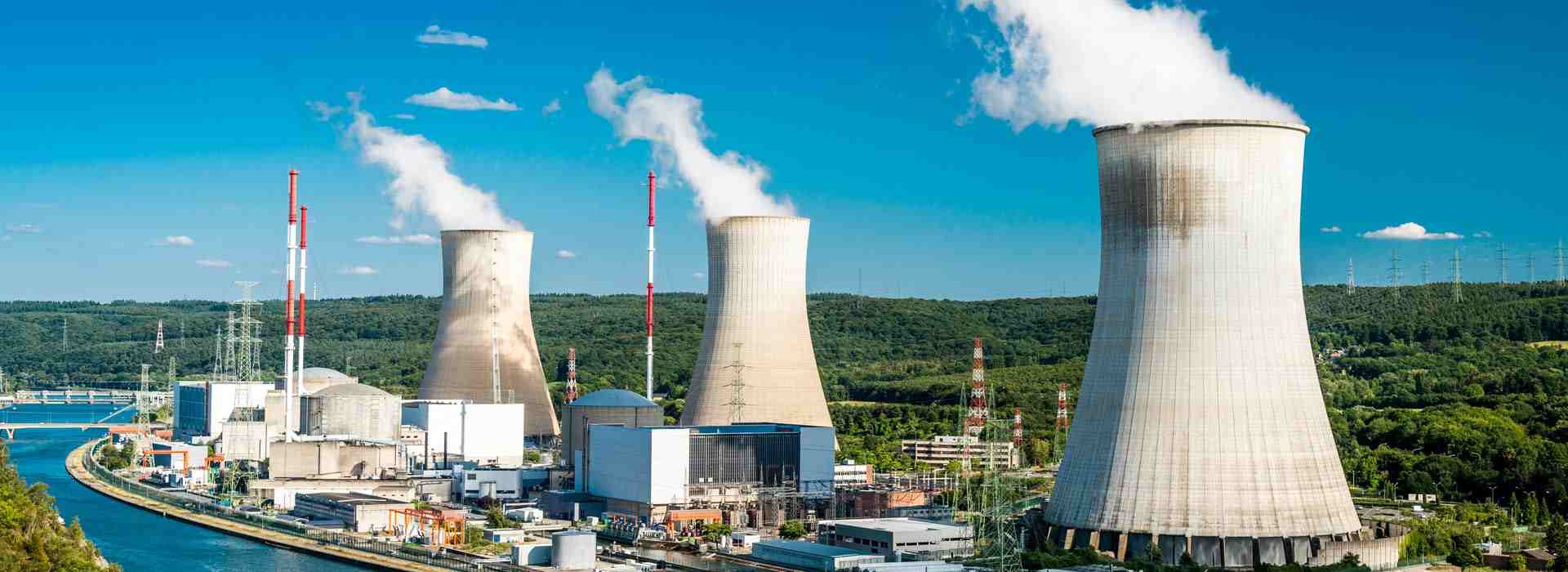
Nuclear Energy
Inconel 617 tubes are used for intermediate heat exchangers and steam generators in Generation IV reactors. The alloy is specifically approved for high-temperature nuclear Class 1 service under ASME standards.
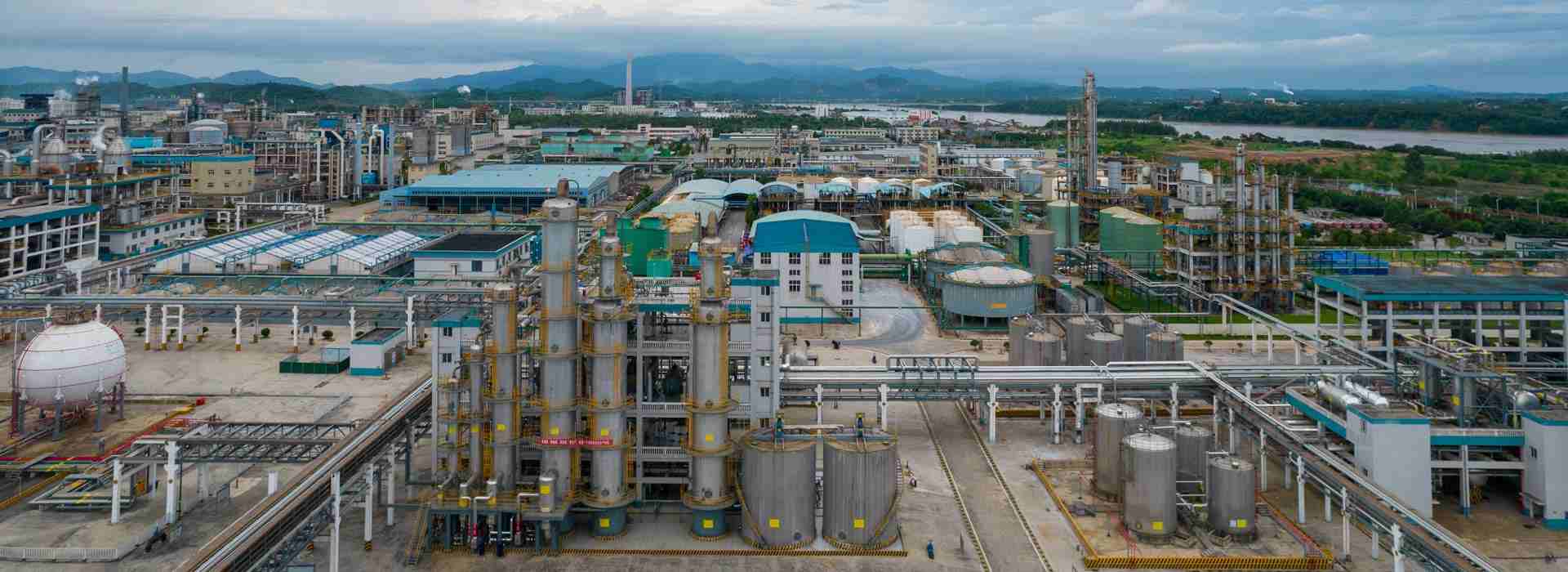
Petrochemical Processing
These tubes are essential for catalytic reformer outlet manifolds and transfer lines. They are designed to prevent carburisation and coking while operating in hydrogen-rich environments at temperatures above 900°C.

Aerospace Engineering
In this sector, the tubes are used in turbine exhaust systems and afterburner liners. Their high creep strength allows engineers to use thinner-walled tubes, which makes the engine lighter without sacrificing safety.
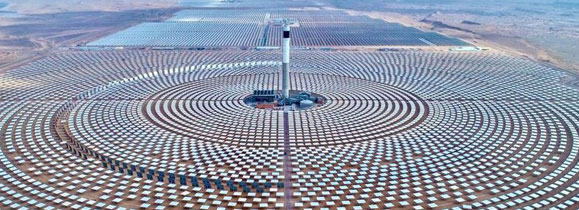
Concentrated Solar Power (CSP)
These tubes are used in solar receiver panels to handle molten salt or steam. They are ideal for these systems because they can withstand rapid thermal cycling and sustained heat above 900°C.

Waste-to-Energy Plants
Inconel 617 is used by operators in municipal and hazardous waste incinerators as superheaters. They pick this material because it can withstand intense heat corrosion caused by chlorides in gases that come from waste-derived flue gas streams.
Frequently Asked Questions
-
What is the maximum service temperature of Inconel 617?
-
What standards govern Inconel 617 seamless tubes?Tubes are primarily manufactured per ASTM B167 and ASME SB-167. The regulatory framework that is required for specialist nuclear applications is provided by ASME Code Case N-47.
-
How does Inconel 617 compare to other high-temperature alloys?Due to its cobalt content, Inconel 617 outperforms many stainless steels and nickel alloys in sustained creep strength above 900°C while remaining more cost-effective than some higher-nickel alternatives.
-
Is Inconel 617 suitable for welded pressure vessel construction?Yes, it meets the ASME Code and can be welded using the right filler metals. Post-weld solution annealing is often suggested for high-temperature applications.