

Hastelloy Pipe Manufacturer

At Zhejiang Xintongda Special Steel, we manufacture high-performance nickel-based Hastelloy pipes for global industrial applications. We use the latest technology and follow ASTM B622 standards while producing our Hastelloy alloy pipes. This ensures consistent dimensional tolerances, verified mechanical properties, and full traceability for every pipe we deliver. We are a trusted manufacturer and supplier of Hastelloy pipes in Songyang, China. We make seamless pipes in various grades, such as C276, C22, C4, B2, B3, and C2000. These pipes are built to withstand environments with high temperatures and extreme corrosion. Our pipes outperform standard austenitic stainless steels as they are resistant to oxidising and reducing acids, localised corrosion, and maintain superior mechanical properties at elevated temperatures. Our pipes are ideal for the marine, power generation, aerospace, water treatment, and chemical processing industries. Every pipe goes through quality testing before dispatch. We carry multiple international certifications. Our minimum order requirement is 200kg, and we also keep ready inventory available with no minimum order. Our annual throughput is 25,000 tons. Lead times run at about one week for stock items and 15 to 60 days for production orders.

  • Range Icon OD Range 6 - 457 mm
  • Thickness Icon Thickness 1 - 65 mm
  • Length Icon Length ≤ 18 m
Get a free quote now Arrow Icon Get a free quote now Arrow Icon
Hastelloy Pipe

What is Hastelloy Pipe?

Hastelloy pipe is a nickel-based alloy pipe built for serious corrosion resistance and high-temperature strength. Engineers developed this alloy family to withstand the most demanding chemical, petrochemical, and high-temperature processing environments.

Hastelloy alloys are nickel-based systems. The C-family grades use nickel, chromium, molybdenum, and tungsten for broad chemical resistance. The B-family grades take a different route, relying on high molybdenum with minimal chromium to handle reducing acids. Chromium and molybdenum, in particular, provide strong resistance to pitting, crevice corrosion, and stress corrosion cracking.

These pipes retain their mechanical properties and corrosion resistance in elevated-temperature and chemically aggressive environments. They significantly exceed the performance limits of 300-series stainless steels in chloride environments, reducing acid media, and elevated-temperature service. We produce these pipes in seamless form for varied pressure ratings and process service conditions.

What are the Key Features and Benefits of Hastelloy Piping?

Here are the key features and benefits that make Hastelloy pipe a preferred choice for demanding service conditions:

  • Superior Corrosion Resistance: Hastelloy pipes resist oxidising and reducing chemicals, including hydrochloric acid, sulphuric acid, and chloride-bearing solutions. Chromium forms the primary passive oxide layer. That layer is the main shield against chemical attack. Molybdenum plays a different role. It stabilises the chromium-based passive film when conditions turn reducing, and it resists localised film breakdown. Both elements working together is what gives these pipes long service life in aggressive environments.
  • High-Temperature Strength: Molybdenum and tungsten provide solid-solution strengthening. Our pipes hold their shape and strength at elevated temperatures because these elements resist grain boundary weakening and creep deformation. Heat exchangers and reactors running hot chemical processes are typical applications.
  • Resistance to Localised Corrosion: Pitting and crevice corrosion tend to occur in stagnant zones and areas with low oxygen. Molybdenum and tungsten stabilise the passive film even under those conditions. Hastelloy performs reliably in chloride-rich environments where standard stainless steels would fail.
  • Excellent Weldability: Low carbon content in the alloy minimises carbide formation in the weld heat-affected zone (HAZ). This prevents sensitisation. The welded joint maintains corrosion resistance to the same degree as the base material, so complex piping systems stay reliable at every connection point.
  • Ease of Fabrication: The austenitic structure of Hastelloy allows for machining, bending, and forming. One thing fabricators should account for is that the alloy work-hardens rapidly, faster than standard austenitic stainless steels. Sharp tooling, controlled speeds, and heavier feeds are needed to maintain cut quality.
  • Long-Term Cost Savings: Hastelloy pipes cost more upfront than standard alloy alternatives. The trade-off is a much longer operational life. Corrosion resistance and mechanical stability reduce the frequency of replacements and maintenance, and in aggressive service conditions, total cost of ownership works out lower over time.

Hastelloy Pipe Specifications

We manufacture our Hastelloy pipes to exact industrial standards. The table of specifications below includes a wide range of sizes, grades, and shapes to meet different needs while still following ASTM B622 standards.

Standard Icon

Standard

ASTM B622
Diameter Icon

Outside Diameters

6 - 457 mm
Length Icon

Length

≤ 18 m
Thickness Icon

Thickness Range

1 - 65 mm
Grades Icon

Grades

Hastelloy C276, C22, C4, B2, B3, C2000
Form Icon

Form

Round, Square, Rectangular, Oval etc.
End Icon

End

Plain End, Beveled End, Threaded
Testing Icon

Testing

PMI, Radiography, Mechanical, Chemical

Available Hastelloy Grades for Pipes

We manufacture Hastelloy seamless pipes across multiple grades, each engineered for specific corrosive environments. Selecting the right grade depends on the acid type, operating temperature, and whether conditions are oxidising or reducing. Here are the key grades we offer:

01

Hastelloy C276 Pipe

Hastelloy C276 pipe (UNS N10276 / W.Nr. 2.4819) is one of the most versatile nickel-molybdenum-chromium alloys as it works well in both oxidising and reducing environments. This pipe is also known as Alloy C-276, Nicrofer® 5716, Nickelvac® HC-276 and Superimphy® 276. It works very well in media that contains sulphuric acid, hydrochloric acid, wet chlorine gas, hypochlorite, and chlorine dioxide solutions.
02

Hastelloy C22 Pipe

Hastelloy C22 pipe (UNS N06022 / W.Nr. 2.4602) performs more effectively than C-276, C-4, and Alloy 625 at resisting oxidising aqueous media and works better in mixed-acid environments. This pipe is also known as Alloy 22 and Nicrofer® 5621. It works well with oxidising acids, chloride-contaminated media, and mixed-acid solutions containing nitric acid.
03

Hastelloy C4 Pipe

Hastelloy C4 (UNS N06455 / W.Nr. 2.4610) delivers strong thermal stability and resists grain boundary precipitation during welding and at elevated temperatures. Also known as Alloy C-4 and Nicrofer® 6616 hMo, this pipe performs reliably in both reducing and mildly oxidising environments across demanding applications.
04

Hastelloy C2000 Pipe

Our C2000 pipe (UNS N06200 / W.Nr. 2.4675) protects in both strongly oxidising and strongly reducing environments. The addition of copper to the nickel-chromium-molybdenum base is what gives C2000 standout resistance to sulphuric acid across a wide concentration and temperature range. Designated as Alloy C-2000, this grade suits plants that run multiple processes with shifting chemistries.
05

Hastelloy B2 Pipe

Hastelloy B2 is the reducing acid grade. It resists hydrochloric acid across a wide range of concentrations and temperatures. That is its defining feature. It also handles sulphuric acid, acetic acid, and phosphoric acid very well. Known as Alloy B2 and Nimofer® 6928 (UNS N10665 / W.Nr. 2.4617), this nickel-molybdenum alloy is the standard selection for hydrochlorination lines and acid production piping. It should not be used in oxidising conditions.
06

Hastelloy B3 Pipe

Hastelloy B3 pipe (UNS N10675 / W.Nr. 2.4600) is the improved successor to B2. It offers better resistance to stress corrosion cracking and greater thermal stability than the older grade. This pipe, known as Alloy B-3, fabricates well and maintains corrosion resistance in reducing conditions, particularly in hydrochloric acid service.

Industrial Applications of Hastelloy Pipes

Hastelloy pipes are used in 7 industries where piping systems face aggressive chemical attack, high temperatures, or both: chemical processing, marine, power generation, aerospace, pulp and paper, oil and gas, and water treatment.

Chemical Processing Industry

Marine Industry

Power Generation

Aerospace Industry

Pulp and Paper Industry

Oil and Gas Industry

Water Treatment

Chemical Processing Industry

Chemical Processing Industry

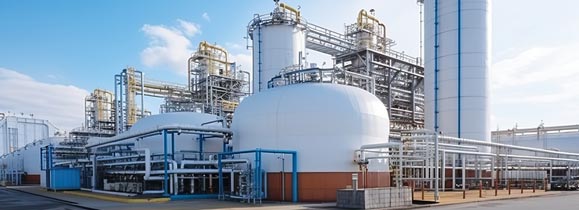
We supply Hastelloy pipes for transporting hydrochloric, sulphuric, and nitric acids. They go into reactors, heat exchangers, and acid storage systems where the piping is in direct contact with corrosive media.
Marine Industry

Marine Industry

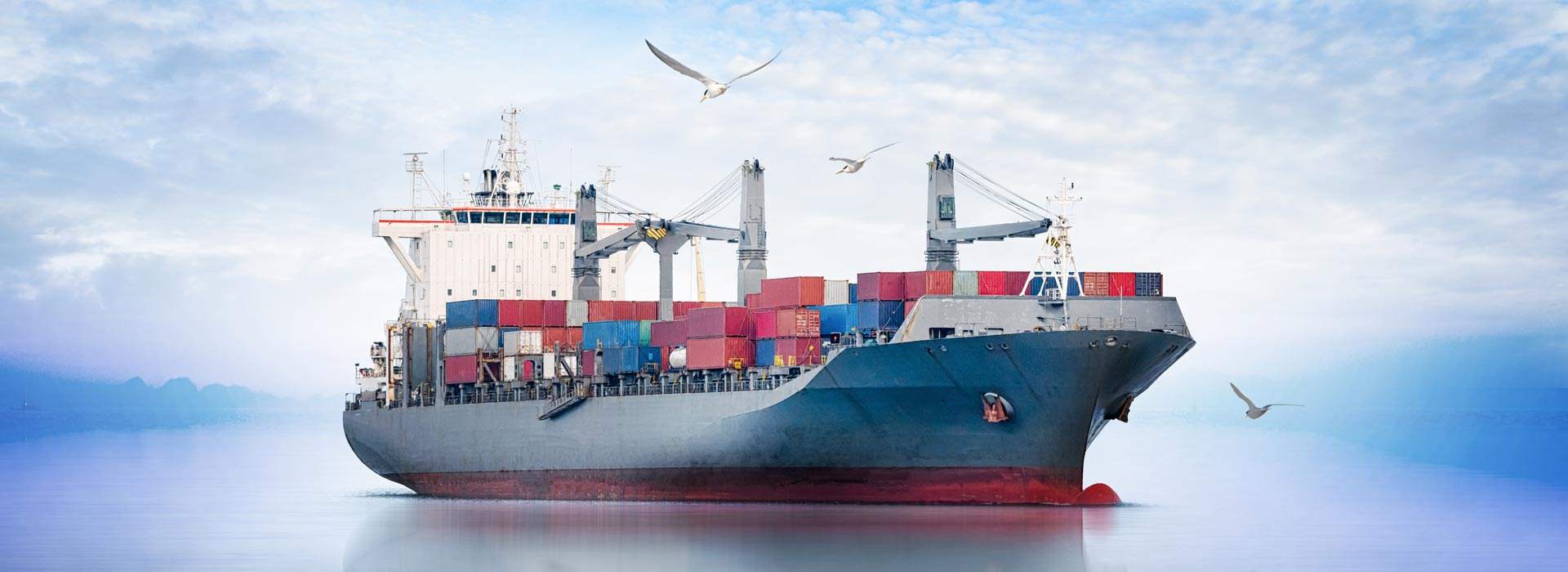
Seawater systems, desalination plants, and offshore structures rely on these pipes. Chloride corrosion is persistent in marine environments, and Hastelloy resists it over extended service periods.
Power Generation

Power Generation

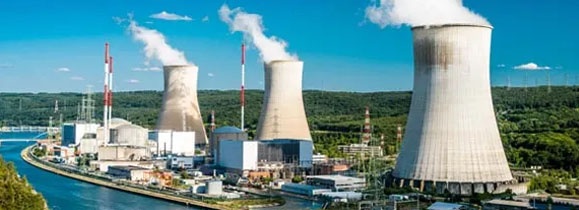
High-temperature steam lines, boiler feedwater systems, and cooling units use Hastelloy piping. The pipes handle both thermal cycling and corrosive fluids.
Aerospace Industry

Aerospace Industry

Fuel systems and hydraulic lines operate under extreme temperatures and pressures. Hastelloy piping maintains its integrity without corroding or degrading in those conditions.
Pulp and Paper Industry

Pulp and Paper Industry

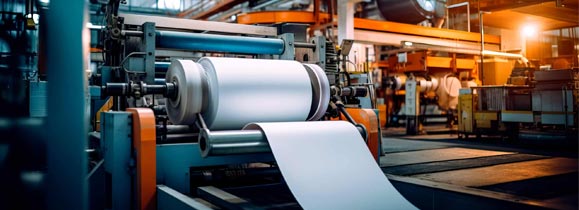
Lime, bleaching chemicals, and pulp slurries are all corrosive to standard piping. Hastelloy resists that corrosion and prevents product contamination.
Oil and Gas Industry

Oil and Gas Industry

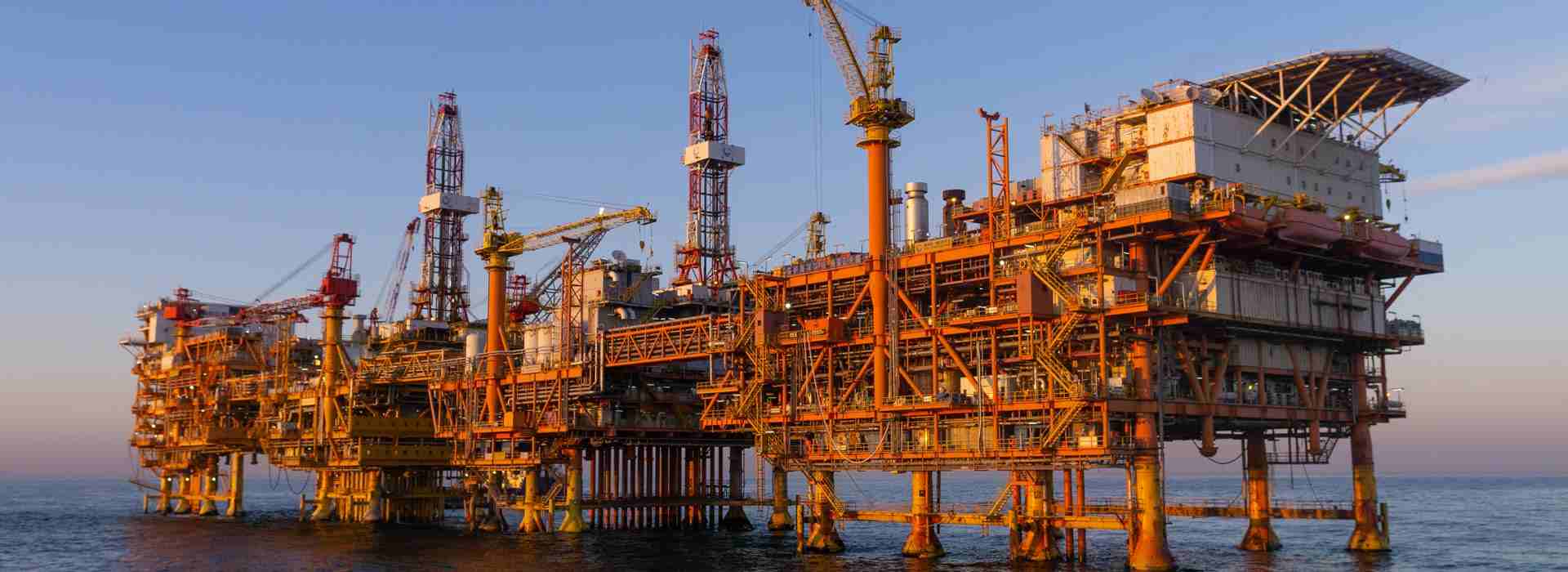
Offshore platforms, refineries, and petrochemical plants use these pipes to handle sour gas, H₂S, and corrosive hydrocarbons under high pressure.
Water Treatment

Water Treatment

Desalination, wastewater processing, and chemical dosing systems all involve exposure to acids, chlorides, and oxidisers. Hastelloy pipes hold up under those conditions consistently.

100% Certified Testing & Documentation

  • EN 10204 3.1 and EN 10204 3.2 Material Test Certificates (MTC)
  • Raw Materials Certificate
  • 100% Positive Material Identification (PMI)
  • Heat Treatment Charts
  • Third-Party Inspection Report
  • Surface roughness and size measurement
  • Manufacturer Test Certificate (Impact Testing, Flattening, Flare, Bend, Hardness, Intergranular Corrosion, Pitting Corrosion, Grain size, Eddy Current (ET), Ultrasonic Testing (UT), Hydrostatic Testing (HT), etc.)
  • Laboratory Test Certificate from Govt. Approved Lab
If you want to know more product details, please contact us!

Frequently Asked Questions

  • Can Hastelloy Pipes Withstand High Temperatures?

    Yes, Hastelloy pipes are engineered for sustained high-temperature service. They retain mechanical strength and corrosion resistance at elevated operating temperatures, making them suitable for chemical processing, steam systems, and high-temperature reactor piping. Depending on the grade, our Hastelloy pipes maintain structural integrity at service temperatures up to 675°C (1250°F) for C-family alloys in pressure applications, with certain grades retaining oxidation resistance up to 1038°C (1900°F) in non-pressure environments.

    • Resists thermal stress and creep deformation at operating temperature
    • Oxidation protection at elevated temperatures
    • Stable performance in continuous high-heat operations
  • What Sizes Do Hastelloy Pipes Come In?
    Our Hastelloy pipes cover outer diameters from 6 mm to 457 mm (1/4" to 18"), wall thicknesses from 1 mm to 65 mm, and lengths up to 18 metres. If you need something outside those ranges, contact us to discuss custom production.
  • Can Hastelloy Pipes Be Used for Seawater Applications?
    Yes, Hastelloy pipes are well-suited for seawater applications. Their superior resistance to chloride-induced corrosion makes them ideal for desalination plants, offshore platforms, and cooling water systems. These pipes ensure long-term durability and safe operation even under continuous exposure to saltwater.
Catalogue Phone E-mail Whatsapp