SpaceX’s decision to use 304L stainless stee for its Starship spacecraft raw material is based onseveral advantages that stainless steel offers in the context of space rockets:
Strength and Durability: Stainless steel is known for its high strength and durability, which arecrucial qualities for withstanding the demanding conditions of space travel, such as extremetemperatures, pressure differentials, and structural stress.
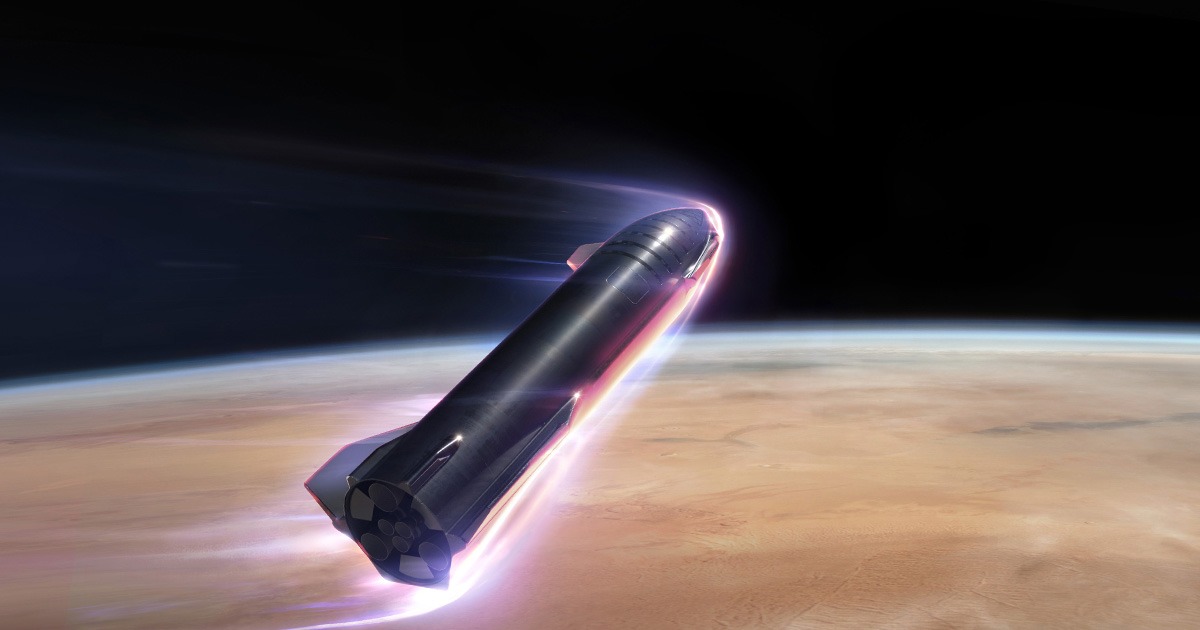
Heat Resistance: Stainless steel can withstand high temperatures, making it well-suited for theintense heat generated during re-entry into Earth’s atmosphere. This heat resistance helpsprotect the spacecraft and its contents during the atmospheric re-entry process.
Corrosion Resistance: Stainless steel is highly resistant to corrosion, which is important formaintaining the structural integrity of the spacecraft over its lifetime and in the harsh conditions ofspace.
Rapid Prototyping and Fabrication: Stainless steel is relatively easy to work with and allows forrapid prototyping and fabrication of spacecraft components. This enables SpaceX to iteratedesigns quickly and efficiently during the development and testing phases.
Reusability: SpaceX’s goal is to make space travel more cost-effective by developing reusablespacecraft. Stainless steel’s durability and resistance to fatigue make it well-suited for multiplelaunches and re-entries, contributing to the overall reusability of the Starship system.
Cost-Effectiveness: Compared to other advanced materials like carbon fiber or titanium,stainless steel is relatively cost-effective. This helps SpaceX keep manufacturing costs lowerwhile still maintaining a high level of performance and reliability.
Overall, the advantages of stainless steel, including its strength, durability, heat resistance,corrosion resistance, ease of fabrication, reusability, and cost-effectiveness, make it a suitablechoice for SpaceX’s Starship spacecraft and align with the companys goals of advancing spaceexploration through innovation and efficiency.